
How Arrest Warrants Work in Cherokee County
An arrest warrant gives officers lawful authority to take someone into custody. In Texas it usually starts with a complaint, an affidavit, or some other sworn basis that a judge or magistrate reviews before signing. Cherokee County runs two district courts, a county court, a County Court at Law, plus JP and municipal courts of narrower reach. The issuing court controls the case record. The sheriff or another peace officer may hold a service record instead, and a public search can miss sealed, recent, or restricted material, so it pays to ask the court and the sheriff separately for their own answers on any Cherokee County warrant.
Cherokee County Probable-Cause Review
Probable cause means facts support a reasonable belief that an offense occurred and that the named person is connected to it. A complaint or affidavit gives the magistrate something to review. Cherokee County does not publish its standard warrant form, affidavit fields, or magistrate rotation, so guesswork about the local paperwork is a mistake. Texas Code of Criminal Procedure Chapter 15 sets the arrest-under-warrant rules, and the judge or magistrate decides whether process may issue. A sealed filing can hide much of it from the public until execution.
Cherokee County Arrest Warrant Fields
A warrant record may tie together a cause number, court, judge, offense, bond terms, and service status. Cherokee County publishes no safe public sample and no local number format. Treat the fields listed below as possible record parts, not a promise that every office displays them all.
| Identifier | Warrant or cause number. No Cherokee format was confirmed. |
|---|---|
| Issuing court | The district, county, or magistrate court that authorized process. |
| Offense | Charge and legal classification, if public. |
| Bond | Cash, surety, personal-recognizance, or hold terms if set. |
| Status | Active, served, recalled, or cleared, depending on the record system. |
| Serving agency | Sheriff, constable, city police, or another lawful officer. |
Names, dates of birth, or other identifiers may be masked under access rules.
2nd and 369th Courts in Cherokee County
The 2nd Judicial District and the 369th Judicial District handle felony matters here. The 2nd serves Cherokee County alone. The 369th also covers Anderson and Leon counties, so a felony cause can carry a court contact quite different from the sheriff's service record.
2nd District Court
135 South Main Street, second floor, Rusk
903-683-2236
The County Court at Law lists a criminal coordinator for county-level matters.
How Warrants Get Served in Cherokee County
Figuring out who serves a warrant in Cherokee County takes a phone call or two. The sheriff's office handles law enforcement countywide, though it names no warrant commander or division line. Four constables also serve process out of precinct offices, and city police can execute warrants inside their own jurisdictions. No published list matches a case to an agency, so ask directly. The county lists the sheriff at 903-683-2271 and a records email at records@cocherokee.org. Call to learn which office holds the warrant and which court issued it. For a city citation, the municipal court or city police is usually the fastest starting point. The four constable contacts page lists each precinct office, though a constable listing there does not mean every warrant carries a constable assignment.
Serving Cherokee County Arrest Warrants
The issuing court and the serving agency fill different roles. A judge or magistrate authorizes process; an officer executes it. In Cherokee County, the sheriff may hold the county service record while a city police department keeps a municipal case or a warrant its own officers handled.
| Office | Known local role | What to confirm |
|---|---|---|
| Sheriff | County law enforcement, records and custody route. | Whether the sheriff holds the entry. |
| Constable | Precinct law enforcement and process service. | Whether that constable has the specific assignment. |
| City police | May serve city process and act within lawful authority. | Whether the municipal court controls the case. |
For county records, use the official Sheriff's Office channel, which does not function as a countywide public search.
Arrest Warrants, Summonses, and Bench Warrants
A summons asks a person to appear, with no immediate arrest command attached. An arrest warrant authorizes custody under its terms. A bench warrant follows a missed court obligation, contempt, or some other failure to comply. The labels help you pick the right office, but the underlying case and judicial order control everything. A traffic capias pro fine after an unpaid judgment also differs from a new arrest warrant based on a charge. Ask the clerk to read the exact process label and cause number aloud. The county's bench warrant information covers missed settings and recall routes for Cherokee County.
Cherokee County Arrest Warrants After Arrest
After an arrest under warrant, Texas procedure requires the person to go before a magistrate without unnecessary delay and no later than 48 hours, subject to the statute. The magistrate may address warnings and bail. Bond amounts are case-specific, and Cherokee County publishes no universal warrant bond schedule or online bond portal. Before any surrender, call the issuing court and the sheriff. Ask whether a lawyer can arrange a walk-through, whether you should appear at the court or another office, and whether a magistrate must set bail first. The sheriff's jail number is 903-683-6365, though the public page does not call it a bond desk. Chapter 15, including Article 15.17, describes the post-arrest route.
Handling an Arrest Warrant in Your Name
Never trust a blank online result, since it proves nothing about what the court holds. Gather the case number, the full name used in court, and your date of birth, then call the issuing clerk. Ask whether the warrant is active, what bond or appearance is required, and whether a motion to recall or a lawyer's appearance is possible. Cherokee County publishes no general safe-surrender policy.
Before going in person: Speak with a Texas attorney and confirm the location, bond terms, and current court instruction with the issuing office.
Only the issuing court can recall its warrant. A lawyer may arrange a hearing or bond, but Cherokee County offers no countywide walk-through clinic or recall form.
Federal Hold Is Not a Cherokee Warrant
Someone sitting in a Cherokee County jail may also have a federal hold on top of any county warrant. Ask the jail directly which agency placed it. Get the federal court name and case number if you can. No Cherokee County payment, OmniBase flag, or municipal recall can touch another jurisdiction's process, so clearing one will not clear the rest. The federal side runs through its own courts. PACER gives public access to federal case dockets, though it may require an account and fees, and it is not a warrant search. The U.S. Marshals Service explains its federal fugitive work but posts no Cherokee County roster. The PACER public landing page shows where federal dockets live; it is not a person's record.
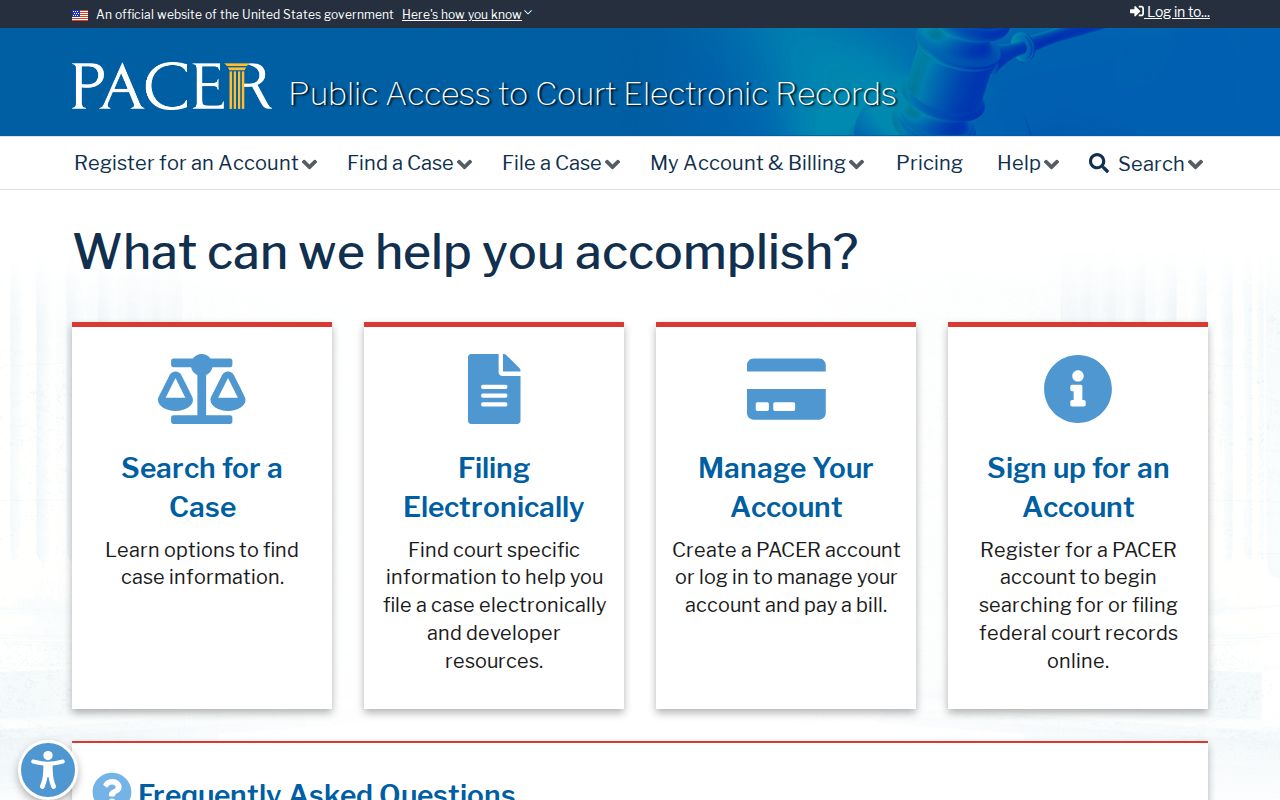
A Cherokee County warrant goes back to the issuing court and the sheriff. A federal hold goes to the federal court or your lawyer.